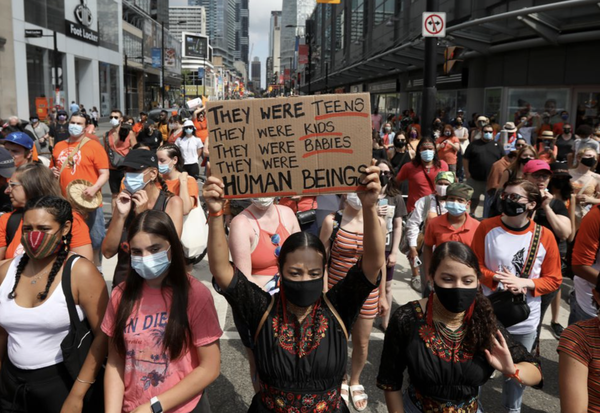
Last week, a second discovery of hundreds of unmarked graves at the site of a former Canadian residential school is fueling a nationwide search for more remains by indigenous groups.
For 165 years, Canada’s residential schools separated indigenous children from their families. They were malnourished and subjected to physical and sexual abuse. A ‘cultural genocide’ of the indigenous peoples of the land.
That’s giving a new look to Canada Day, traditionally celebrated on July 1st with barbeques and fireworks, much like the 4th of July celebrations in the United States (more on that later.)
I have many friends, colleagues and clients in Canada. Personally, I’m not well versed in Canadian history but have always been curious about Canada in general.
As I’m learning more and more about the width and depth of the “white-washing” of history, I’m committed to my education and increasing my cultural intelligence. Education is the key to being in service and I’m open to listening and learning about the history and experiences of all marginalized groups, including my own.
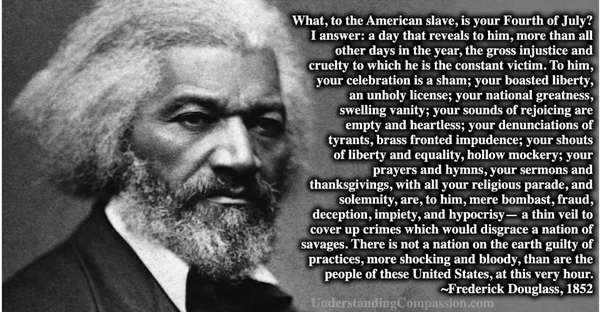
Canada Day, like Independence Day in the U.S., celebrates freedom and independence. But for who exactly? Entire groups of people did not experience the freedom and independence that these historical events celebrate.
For the Indigenous Peoples of Canada, and the enslaved people in the United States, can we really celebrate the freedom of the very people that kept us enslaved for hundreds of years?